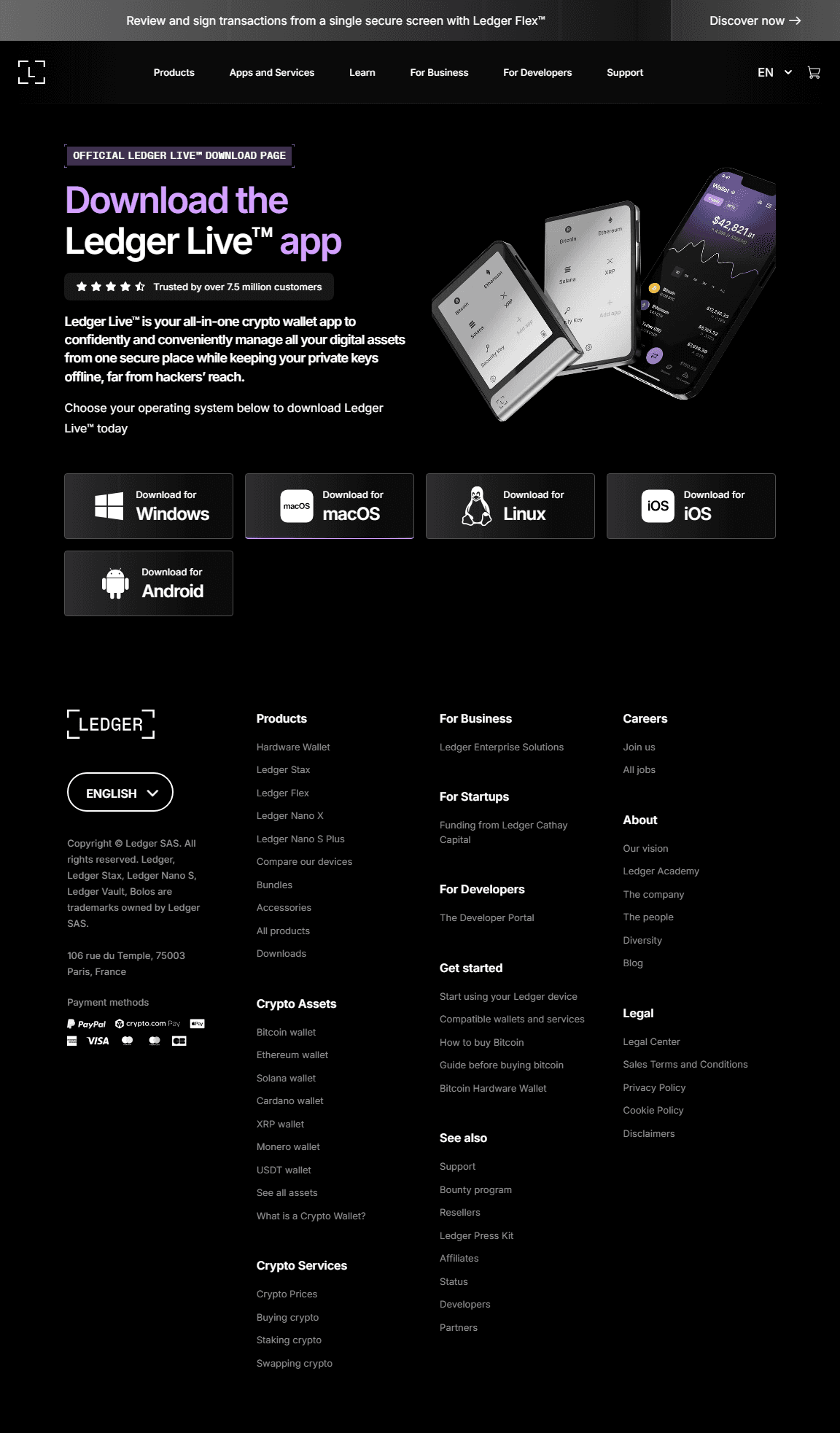
Ledger.com/Start: Your Complete Guide to Secure Hardware Wallet Setup
Ledger.com/start is the official onboarding destination for users who want to begin using a Ledger hardware wallet safely and correctly. The setup process guided through this platform is a crucial step in protecting cryptocurrency assets, as it ensures that the wallet is properly initialized, verified, and secured from the very beginning. Understanding what ledger.com/start represents and how the setup works helps users avoid common mistakes and strengthens long-term asset security.
Ledger hardware wallets are designed to provide maximum protection by keeping private keys offline. The setup journey introduced at ledger.com/start helps users take full control of their digital assets while minimizing exposure to online threats and human error.
What Is Ledger.com/Start?
Ledger.com/start is the official starting point created to guide users through the secure setup of a Ledger hardware wallet. It provides step-by-step instructions that walk users through installing the Ledger Live application, initializing their device, creating a PIN, securing a recovery phrase, and verifying the authenticity of the wallet.
Using ledger.com/start ensures that users follow trusted, verified instructions rather than relying on unofficial or misleading sources. This is especially important in the cryptocurrency space, where scams and phishing attempts are common.
Why the Ledger.com/Start Setup Process Matters
The initial setup of a hardware wallet is the foundation of crypto security. Any errors made during this phase can result in permanent loss of funds or unauthorized access. Ledger.com/start exists to eliminate confusion and ensure users complete every step properly.
By following the setup instructions carefully, users establish a secure environment where private keys never leave the hardware wallet. This setup process reinforces the principle of self-custody, where users are fully responsible for their assets rather than depending on third parties.
Preparing for Setup
Before beginning the setup process, users should prepare a secure environment. The setup should be completed in a private location where others cannot view the recovery phrase or device screen.
Users should also ensure they have:
A new Ledger hardware wallet
A compatible computer or smartphone
A reliable power source or fully charged device
Pen and paper for recording the recovery phrase
Preparation helps ensure a smooth and secure setup experience.
Installing Ledger Live
One of the first steps introduced at ledger.com/start is installing the Ledger Live application. Ledger Live is the official software used to interact with the Ledger hardware wallet. It serves as the user interface for managing assets while keeping private keys safely stored on the device.
Ledger Live allows users to:
View cryptocurrency balances
Send and receive digital assets
Install blockchain applications on the wallet
Monitor portfolio performance
Update device firmware
Installing Ledger Live is essential, as it connects the hardware wallet to the blockchain without exposing sensitive data.
Initializing a New Ledger Device
During setup, users are given the option to initialize the Ledger device as a new wallet or restore an existing wallet using a recovery phrase. New users typically select the option to create a new wallet.
When initializing a new wallet, the Ledger device generates a unique recovery phrase directly on the device screen. This phrase is created offline, ensuring it cannot be intercepted by malware or online threats.
Users must carefully write down each word in the correct order and store the recovery phrase securely.
The Importance of the Recovery Phrase
The recovery phrase is the most critical security element created during the setup process. It acts as a backup that allows users to restore access to their assets if the device is lost, damaged, or reset.
Important recovery phrase guidelines include:
Never storing it digitally
Never sharing it with anyone
Never entering it into websites or applications
Keeping it in a secure, offline location
Anyone with access to the recovery phrase has full control over the wallet’s funds, making proper storage essential.
Setting a Secure PIN Code
As part of the setup at ledger.com/start, users must create a PIN code for their Ledger device. This PIN is required each time the device is unlocked and connected to Ledger Live.
The PIN protects the device from unauthorized access. If the PIN is entered incorrectly multiple times, the device automatically resets, requiring recovery using the recovery phrase.
Choosing a strong but memorable PIN adds an important layer of protection.
Verifying Device Authenticity
Ledger.com/start includes steps to verify that the Ledger hardware wallet is genuine. This verification process ensures that the device has not been altered or compromised before use.
The authenticity check confirms that the secure element inside the device meets Ledger’s security standards. Completing this step gives users confidence that their device is safe to use for managing digital assets.
Adding Cryptocurrency Accounts
Once the device is initialized and verified, users can begin adding cryptocurrency accounts through Ledger Live. Each account corresponds to a specific blockchain network.
To add an account, the appropriate application is installed on the Ledger device and synchronized with Ledger Live. This process allows users to manage assets without exposing private keys.
Users can add multiple accounts for different cryptocurrencies, all managed through a single secure interface.
Everyday Use After Setup
After completing the setup process at ledger.com/start, the Ledger device is ready for daily use. Users connect the device to Ledger Live whenever they want to send, receive, or manage assets.
All sensitive actions require physical confirmation on the device itself. This ensures that even if the connected computer or smartphone is compromised, funds cannot be moved without user approval.
Common Setup Mistakes to Avoid
Ledger.com/start helps users avoid common mistakes that can compromise security, including:
Skipping recovery phrase verification
Taking photos of the recovery phrase
Storing recovery words online
Sharing sensitive information
Using unofficial setup instructions
Avoiding these mistakes is essential for long-term asset protection.
Security Education During Setup
A key strength of ledger.com/start is its focus on user education. The setup process explains why hardware wallets are secure, how private keys work, and why self-custody matters.
This knowledge helps users make informed decisions and develop safe habits when managing cryptocurrency.
Long-Term Value of Proper Setup
Completing the setup correctly ensures long-term benefits such as:
Full ownership and control of assets
Reduced exposure to online threats
Protection from exchange failures
Enhanced privacy and independence
A properly configured Ledger device can serve as a secure storage solution for many years.
Ledger.com/Start and Self-Custody
Ledger.com/start represents the first step toward true self-custody. By completing the setup, users take responsibility for securing their assets without relying on centralized platforms.
This approach aligns with the core principles of blockchain technology, empowering users with full control over their financial future.
Conclusion
Ledger.com/start is the essential gateway for setting up a Ledger hardware wallet securely. It guides users through installing Ledger Live, initializing the device, securing the recovery phrase, verifying authenticity, and adding accounts.
By following the setup process carefully and understanding the importance of each step, users can build a strong security foundation for managing digital assets. Starting correctly ensures that cryptocurrency remains safe, private, and fully under the user’s control.